
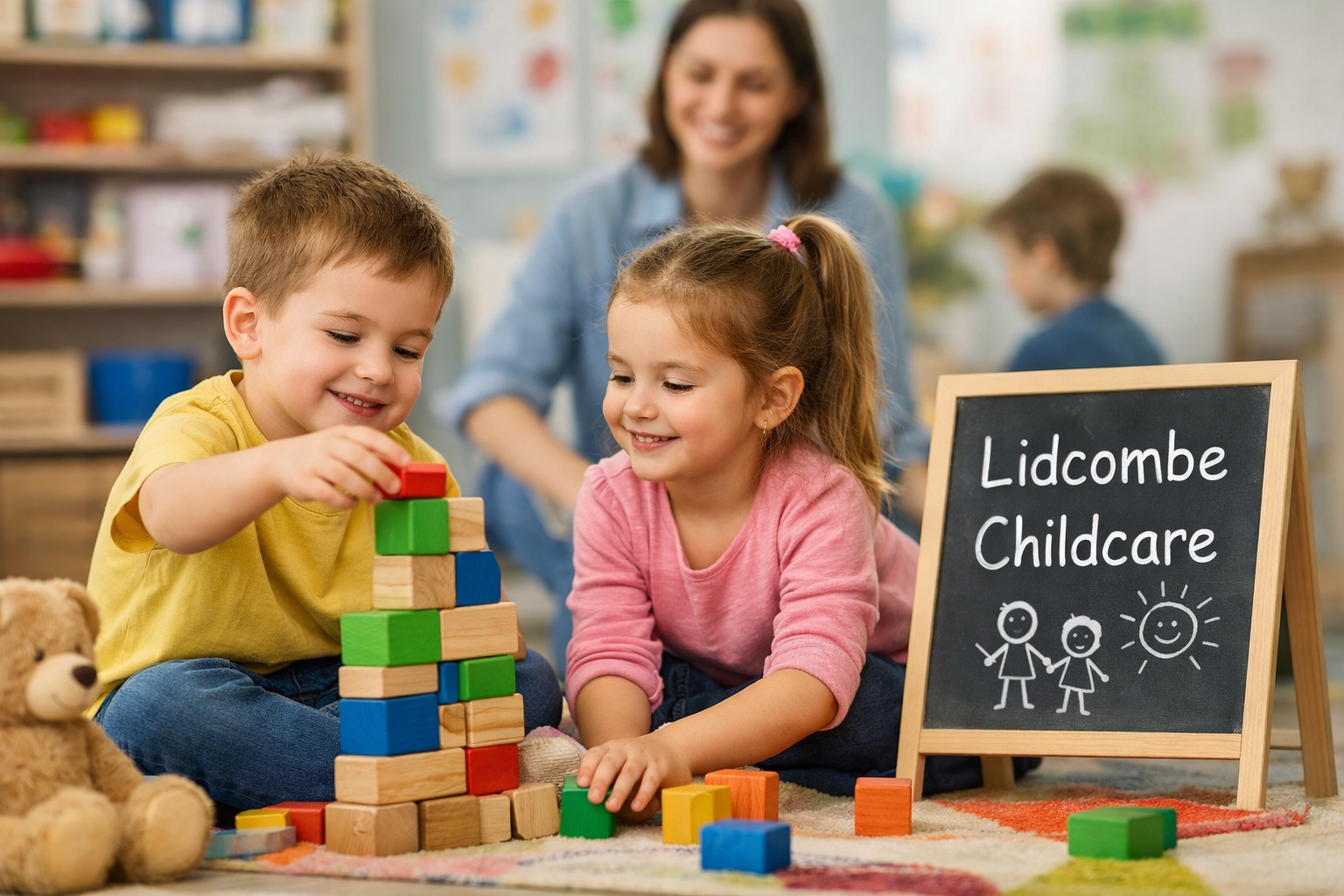
Early childhood is one of the most important stages of human development. Between birth and the early kindergarten years, children rapidly develop emotional awareness, social skills, and cognitive abilities. For families in Lidcombe, choosing a supportive childcare, daycare, or preschool environment can make a significant difference in helping children build resilience and confidence.
As many child development experts agree, emotional resilience is not something children are born with—it is something they gradually develop through supportive relationships, positive learning environments, and everyday experiences.
Why Emotional Resilience Matters in Early Childhood
Resilience helps children learn how to:
- cope with frustration
- solve problems independently
- build healthy relationships
- adapt to new environments such as kindy or kindergarten
Children who develop emotional resilience early are more likely to thrive when transitioning from daycare to preschool, and later to primary school. For parents in Lidcombe, early support through quality childcare programs can play an essential role in this process.
How Quality Childcare Supports Emotional Development
A well-structured Lidcombe childcare or daycare centre does much more than simply supervise children. Professional educators create environments that encourage:
- cooperative play
- emotional expression
- curiosity and creativity
- safe exploration of new ideas
In many high-quality preschool and kindy programs, educators intentionally guide children through activities that promote empathy, patience, and communication skills.
For example, group storytelling, role-playing, and collaborative games help children learn how to share, listen, and express feelings appropriately.
Practical Parenting Tips from Early Childhood Experts
Parents can also help strengthen emotional resilience at home. Experts in early childhood development often recommend the following strategies:
Encourage Problem Solving
Instead of immediately solving every challenge for your child, guide them to think through possible solutions. This approach helps children build confidence and independence before entering kindergarten.
Create Predictable Routines
Young children feel safer when daily routines are consistent. Regular schedules for meals, playtime, and sleep support emotional stability, especially for children attending daycare or preschool.
Model Emotional Awareness
Children learn by observing adults. When parents calmly express emotions and discuss feelings openly, children gradually learn how to regulate their own emotions.
Support Social Interaction
Opportunities to interact with peers—whether at Lidcombe childcare, kindy, or community playgroups—help children develop cooperation and empathy.
The Role of Preschool and Kindergarten in Social Growth
The transition from home or daycare into preschool and eventually kindergarten is a significant milestone. During these years, children begin to understand teamwork, responsibility, and social boundaries.
High-quality Lidcombe preschool and kindy programs focus on play-based learning, which allows children to develop academic readiness while strengthening social and emotional skills.
This balanced approach ensures children are not only prepared for school academically but also emotionally confident and socially capable.
Supporting Your Child’s Early Learning Journey in Lidcombe
For families in Lidcombe, selecting the right childcare, daycare, preschool, or kindergarten environment can have a lasting impact on a child’s development.
The most effective early education settings combine:
- nurturing educators
- safe learning environments
- structured routines
- play-based exploration
When children feel supported both at home and in their childcare or kindy environment, they are far more likely to develop the resilience and confidence needed to succeed throughout their educational journey.